Better Brands than Reiss: Ethical Swaps with Real Quality
Better swaps for Reiss with real fabric insights, construction notes, and transparent sourcing. Discover brands that deliver on style and substance.
1. Why Reiss isn’t Actually Premium
Started as a family menswear shop in London in 1971. Sold to private equity in 2016. Now a puppet of Next.
Let’s just say: the only tailoring you’re getting these days is the marketing.
Reiss loves to posture as a premium high-street label — sleek lookbooks, sharp silhouettes, inflated price tags. But look a little closer, and you’ll find:
- Dry-clean-only plastic pieces sold at luxury prices
- No real fabric consistency across categories
- Zero product-level transparency
And then there’s this: a £240 denim jumpsuit with a flimsy, coin-smelling zipper.
It looks good. Until you wear it, sweat once, and realize it’s all for show.
2. What I Actually Assess (and what Reiss fails at)
When I vet brands for The Collective, I use a simple two-point test:
1. What’s the fiber composition across the collection?
If every single item needs to be policed to avoid polyester and greenwashing, that’s a red flag. Reiss has zero consistency. Some pieces are pure wool, others are 100% plastic. And most sit somewhere in-between, with no clue unless you check every single label.
2. What’s the worst piece they sell?
Because the worst item tells you how low a brand is willing to go.
And here’s what I found:
- “Denim-look” trousers for £130, made of viscose and polyester
- A matching dry-clean-only jacket for £230, also plastic
Polyester-heavy blends. Acrylic knits. Thin linings. Loose seems. Synthetic coats. These garments rarely last more than a few wears without losing shape.
So here’s what I do instead: I find you ethical, well-made alternatives that actually deserve the price tag. With natural fibers, verified supply chains, better tailoring, and timeless cuts.
3. Swap Breakdown: Piece by Piece
Below are actual Reiss items and their ethical swaps with my notes on fit, fiber, and why it’s a better choice.
This Guide is Just the Start
This is a living post that I’ll keep updating as I test new brands and get feedback from you.
Want personalized picks? You can request them inside the member page.
Want to go deeper into construction? Check the Collective Filter™ and Fabric Series.
Need help mapping what you actually need? Do the Clean Wardrobe Method™.
You can still find good styles without lowering your standards and finally buying clothes that respect you back.
Ready to join The Collective? Get yearly access (best value) → 30-day guarantee on yearly
Prefer monthly? Get monthly access →
After checkout, you’ll get the password by email (check spam/promotions).
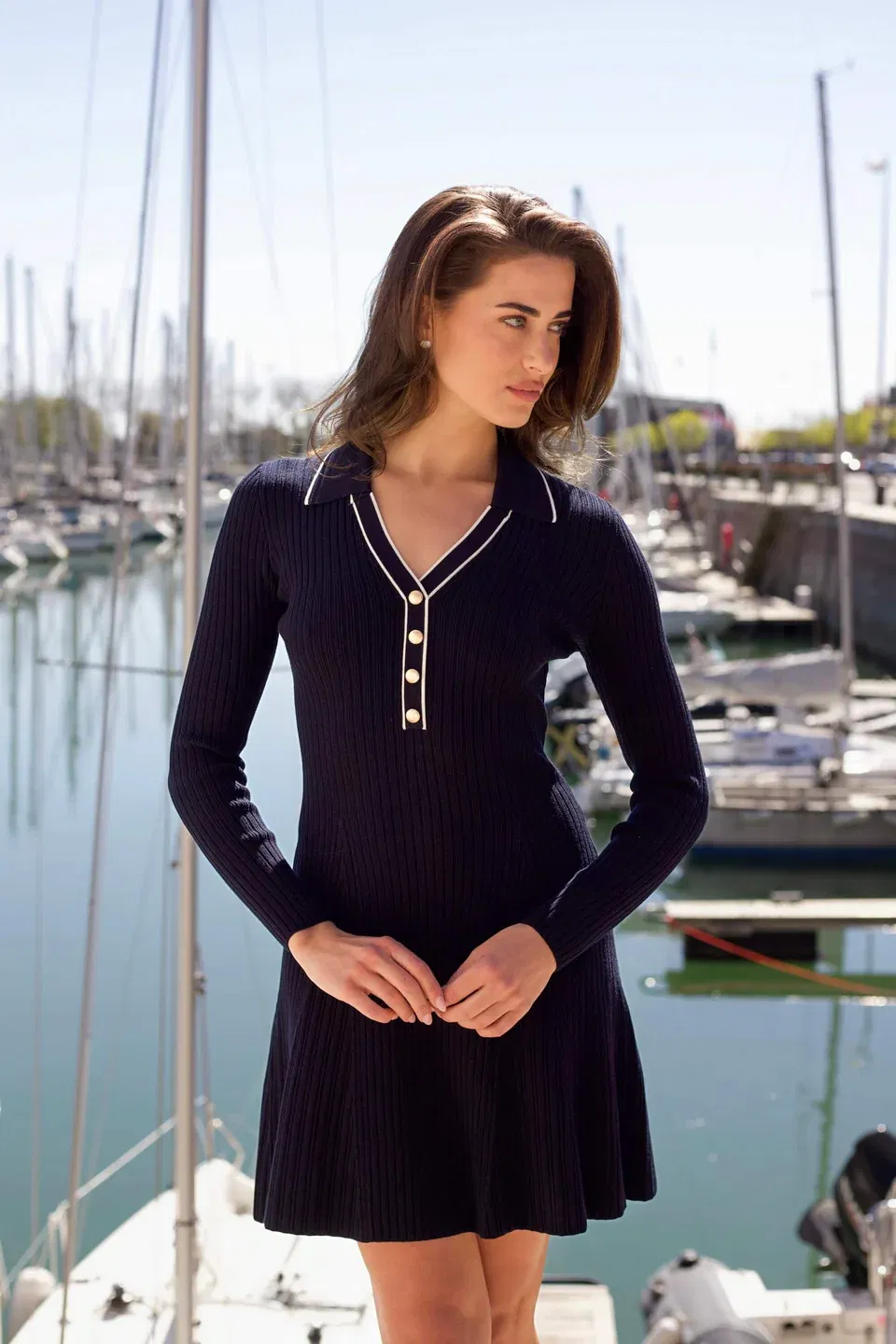
Reiss Knit Dress vs Gaâla Albina Knit Dress
Reiss: a ribbed knit in a viscose–polyester blend with a high synthetic content. Typical wear patterns can include earlier pilling, localized surface shine in high-friction areas, and gradual stretch fatigue over time.
Gaâla: 70% LENZING™ ECOVERO™ viscose, 30% stretch polyester. Not plastic-free, but the viscose is verified (ECOVERO™) rather than generic. The handfeel is more substantial and the fabric tends to wear more evenly, with a classic V-neckline and small-run production in Europe.
Why I included it: the same clean silhouette, with a blend that tends to wear more consistently than many “premium-looking” high-street knit dresses. A pragmatic swap if you want the look while reducing the usual fast-fashion fabric compromises.
Material purity: Medium | Wear stability: High | Transparency: High